
What Is an NGO? Meaning, Full Form, Types, Functions and Importance
Have you ever heard about organizations that provide free education to children, help poor families, support women, protect the environment, or work for the development of rural communities?
These organizations often work to make society better and improve people's lives. They are commonly known as NGOs.
But what exactly is an NGO? What does NGO stand for? How do NGOs work, and why are they important for society?
In this article, we will explain everything about NGOs in simple English.
What Is an NGO?
An NGO (Non-Governmental Organization) is an independent organization that works for social welfare, public development, and community improvement.
NGOs are generally established by individuals or groups who want to solve social problems and help people. They work independently of direct government control and usually do not operate to distribute profits among owners or members.
The main purpose of an NGO is to serve society and create positive changes in people's lives.
For example, an NGO may:
Provide education to children from poor families.
Organize free health awareness camps.
Support women through skill development programs.
Help people during floods, earthquakes, and other emergencies.
Promote environmental protection.
Provide vocational training and employment guidance.
Spread awareness about social issues.
In simple words, an NGO is an organization that works for the betterment of society rather than personal profit.
What Is the Full Form of NGO?
The full form of NGO is Non-Governmental Organization.
Let's understand these three words:
Non: Not or without.
Governmental: Related to the government.
Organization: A group of people working together for a common purpose.
Therefore, a Non-Governmental Organization is an organization that operates independently of the government and works toward specific social, charitable, developmental, or humanitarian objectives.
What Are the Main Types of NGOs?
NGOs work in different fields depending on their objectives and the needs of society.
Here are some common types of NGOs:
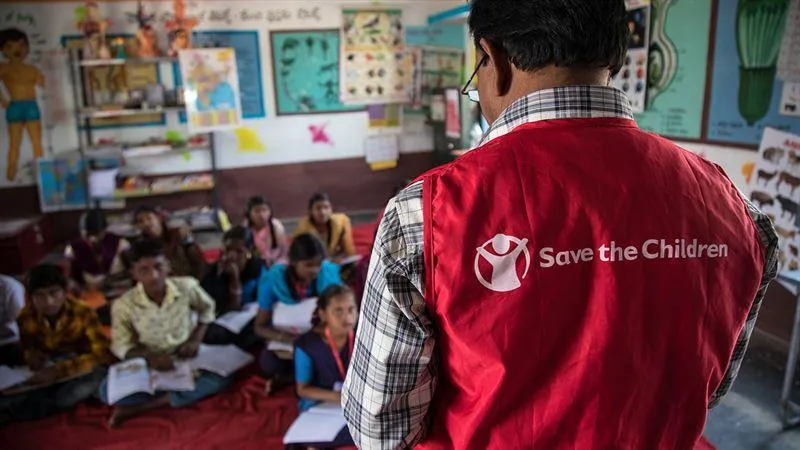
1. Educational NGOs
Educational NGOs work to improve access to education, especially for children and communities that face financial or social challenges.
Their activities may include:
Providing free educational support.
Organizing literacy programs.
Distributing books and study materials.
Supporting school enrollment.
Promoting digital education.
2. Health NGOs
Health-focused NGOs work to improve public health and awareness.
Their activities include:
Organizing health check-up camps.
Promoting sanitation and hygiene.
Conducting health awareness programs.
Supporting access to medical services.
Spreading awareness about disease prevention
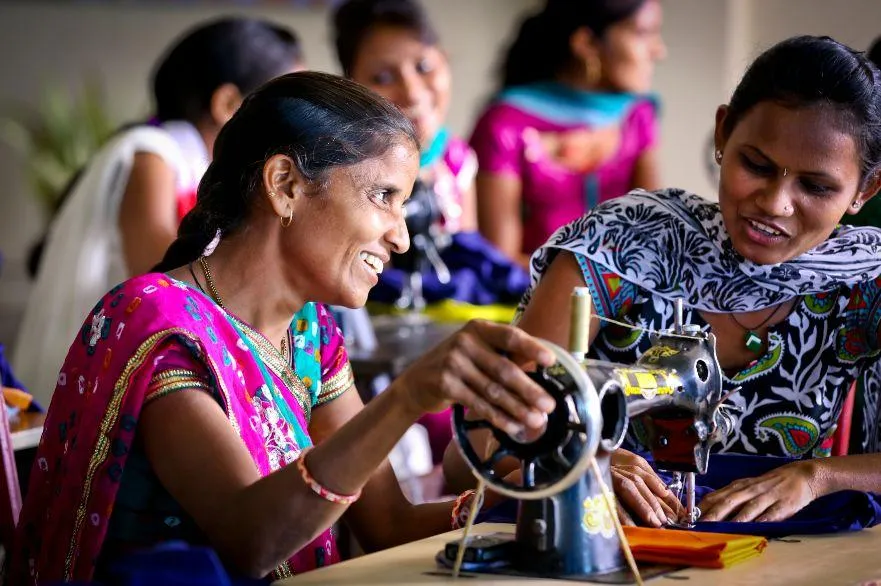
3. Women Empowerment NGOs
These organizations focus on improving opportunities and rights for women.
They may provide:
Skill development training.
Self-employment guidance.
Financial literacy programs.
Awareness about women's rights.
Support for women's self-help groups.
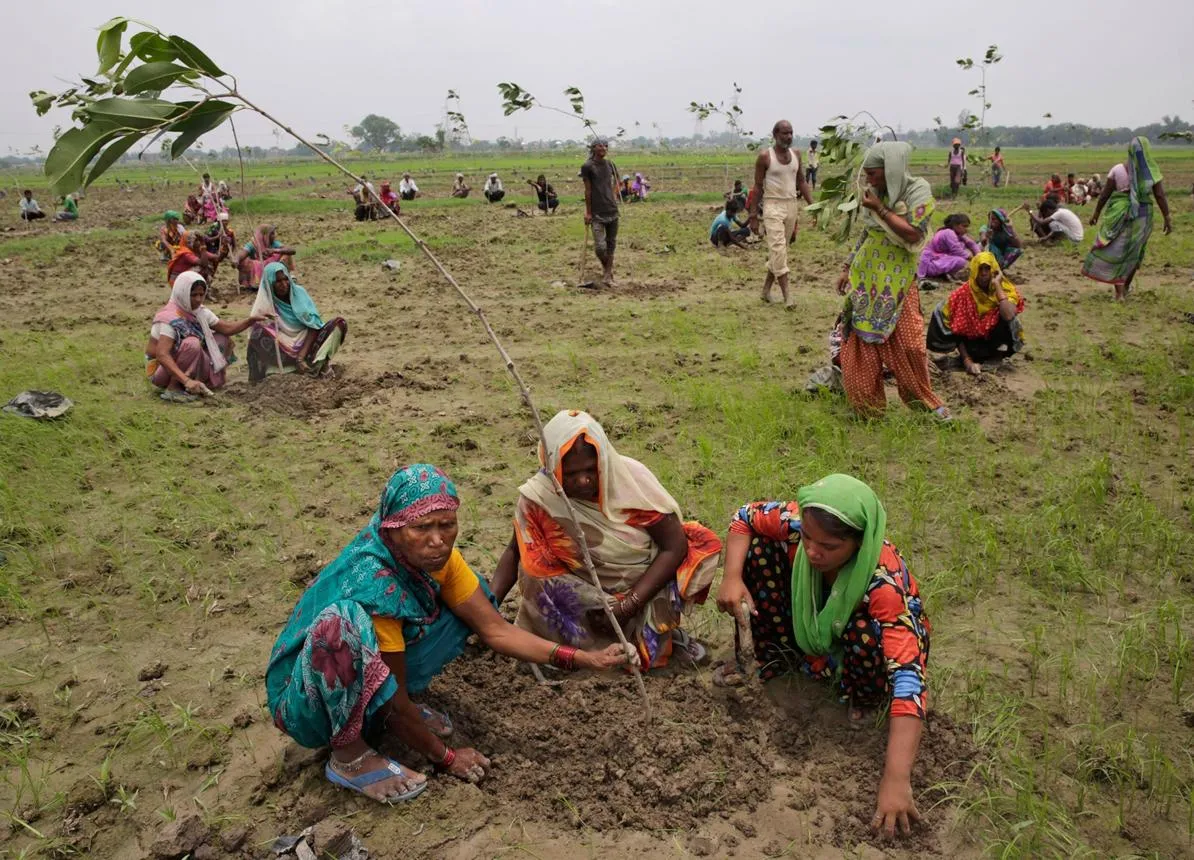
4. Environmental NGOs
Environmental NGOs work to protect nature and promote sustainable development.
Their activities include:
Tree plantation campaigns.
Water conservation programs.
Waste management awareness.
Pollution prevention campaigns.
Wildlife and biodiversity protection.
5. Rural Development NGOs
Rural development NGOs work to improve the living conditions of people in villages and underdeveloped areas.
They may focus on:
Rural education.
Skill development.
Digital literacy.
Community development.
Employment awareness.
Access to basic services.
What Are the Main Functions of an NGO?
NGOs perform several important functions to improve society.
Some of their major functions are:
1. Social Welfare: NGOs support disadvantaged communities and help people who need assistance.
2. Education and Awareness: They organize educational activities, awareness campaigns, and learning programs.
3. Skill Development: NGOs help young people and women develop practical skills that can improve their employment opportunities.
4. Women Empowerment: They encourage women's participation in education, employment, entrepreneurship, and community leadership.
5. Community Development: NGOs work with local communities to identify problems and develop practical solutions.
6. Environmental Protection: They promote awareness about environmental conservation and sustainable living.
7. Disaster Relief: During natural disasters and emergencies, NGOs may provide food, clothing, shelter, and other essential support.
How Do NGOs Work?
NGOs generally work through a planned process to achieve their objectives.
Here is how a typical NGO operates:
Identify Social Problems: The organization identifies problems affecting a particular community.
Plan Activities: It prepares programs and projects to address those problems.
Arrange Resources: It collects funds, materials, volunteers, and other resources.
Implement Programs: It conducts activities such as training, awareness campaigns, educational support, and community services.
Monitor Progress: It evaluates whether its programs are achieving their intended objectives.
Report Activities: It maintains records and communicates its work to relevant stakeholders.
Many NGOs work with local communities, volunteers, government departments, educational institutions, and other organizations.

How Do NGOs Get Funding?
NGOs need financial resources to run their activities and social development programs.
Some common sources of NGO funding include:
Individual Donations: Financial contributions from people who want to support social causes.
Corporate Social Responsibility (CSR): Eligible companies may support social development projects through CSR initiatives.
Government Grants: Eligible organizations may receive financial assistance under government schemes.
International Funding: Some NGOs receive funding from international organizations, subject to applicable laws and permissions.
Fundraising Campaigns: NGOs may organize fundraising events and online campaigns.
NGOs should maintain proper financial records and use funds according to their stated objectives and applicable legal requirements.
How Can an NGO Be Registered in India?
In India, an organization can be established under different legal structures depending on its objectives and activities.
The three commonly used structures are:
1. Trust: A charitable trust is generally established through a trust deed and governed by applicable trust laws.
2. Society: A society is formed by a group of individuals for objectives such as education, charity, science, literature, or social welfare. Societies are commonly registered under the Societies Registration Act, 1860, or applicable state laws.
3. Section 8 Company: A Section 8 Company is established under the Companies Act, 2013, for promoting charitable or other specified non-profit objectives.
The appropriate registration structure depends on the organization's purpose, management, and legal requirements.
NGOs may also need additional registrations or approvals for particular activities. For example, eligible organizations may apply for income tax registrations under Sections 12AB and 80G. Foreign contributions are regulated under the Foreign Contribution (Regulation) Act (FCRA).
Registration alone does not automatically provide every tax exemption or fundraising permission.
Why Are NGOs Important in Society?
NGOs play an important role in social and community development.
Their importance can be understood through the following points:
They help people who have limited access to basic opportunities.
They support education and skill development.
They encourage community participation.
They promote women's empowerment and youth development.
They spread awareness about important social issues.
They support communities during emergencies.
They help bring attention to problems that need collective action.
NGOs also encourage people to participate in social activities and become responsible members of their communities.

How Can You Support an NGO?
You do not need to establish an NGO to contribute to society. There are several ways to support organizations working for social welfare.
Here are some simple ways:
Volunteer your time and skills.
Participate in educational and awareness programs.
Donate books, clothes, or other useful materials.
Support genuine fundraising campaigns.
Share information about social welfare activities.
Help organize community development programs.
Before donating, always check the organization's registration details, activities, financial transparency, and credibility.
Support Our NGO - Donate Now
Frequently Asked Questions (FAQs)
1. What is the full form of NGO?
The full form of NGO is Non-Governmental Organization. It is an organization that works independently of direct government control, generally for social welfare and public development.
2. Is an NGO a government organization?
No. An NGO is a non-governmental organization. However, it may work with government departments or receive eligible government grants.
3. Can an NGO earn money?
Yes. An NGO can receive income through donations, grants, program fees, and other legally permitted activities. However, a non-profit organization must use its income for its objectives rather than distribute profits among its members or owners.
4. How many types of NGOs are there?
There is no single fixed number of NGO types. They can be classified according to their activities, such as education, healthcare, environmental protection, women empowerment, and rural development.
5. Can an individual start an NGO in India?
Yes. An individual can take the initiative to establish an NGO by following the applicable legal requirements. The legal structure may require additional members, trustees, or directors depending on the chosen form.
6. What is the main objective of an NGO?
The main objective of an NGO is to work toward social welfare, community development, humanitarian support, and other public-benefit purposes.
7. Are NGOs and charities the same?
Not exactly. Charity is an activity or purpose, while an NGO is an organization. Many NGOs perform charitable activities, but their work can also include education, research, advocacy, and development.
Conclusion
NGOs are an important part of society because they bring people together to solve social problems and improve community life.
From education and healthcare to women empowerment, skill development, and rural development, NGOs work in different areas to create better opportunities for people.
A strong society is not built by the government alone. Individuals, communities, volunteers, and social organizations also play an important role.
Every small effort can create a meaningful change.
If you want to contribute to society, supporting genuine social initiatives can be a great place to start.